
Trusted design professionals since 1995
What’s Covered on This Page
- Signs Your Prototype Needs Functional Testing
- How Functional Prototype Testing Works, Step by Step
- Functional Validation for Calgary’s Industrial and Energy Equipment
- When You Can Skip Full Functional Validation
- What Drives Testing and Validation Costs
- How do I know if my prototype needs functional testing?
- What CAD files do I need to send for testing?
- What happens after my prototype passes validation?
- Why does functional testing matter more for Calgary’s energy sector projects?
- Can a prototype fail testing even if it looks correct?
- Do all printed prototypes need an engineer’s sign-off?
Signs Your Prototype Needs Functional Testing
Not every printed part needs formal validation. A display model or a quick fit-check mockup can move forward on visual approval alone. But the moment a prototype has to do something, bear a load, seal against a gasket, rotate, slide, or bolt onto existing equipment, the risk changes.
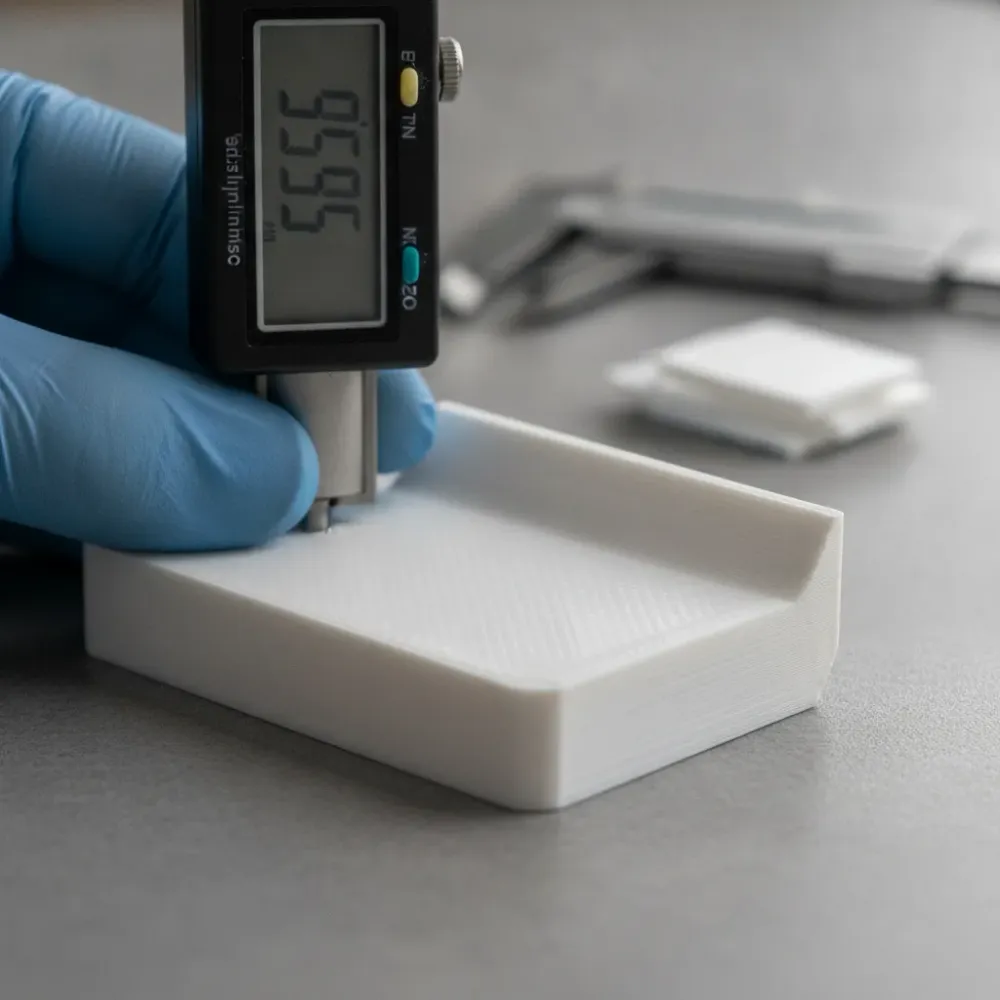
We run into this most with pump skid components and compressor package fittings, where a part that looks fine as an STL file falls apart once it meets real torque or pressure. Tolerance stack-up across mating surfaces almost never shows itself until the part is actually tested.
- The part interfaces with existing plant or lease site equipment, and clearance tolerances haven’t been field-confirmed
- The component bears mechanical load, pressure, or vibration, such as a pump skid bracket or gen set mount
- Multiple printed parts need to mate or assemble to a specified fit, which means GD&T verification
- The design is feeding into stamped engineering drawings for prefabrication and needs sign-off first
- An earlier prototype revision failed during bench testing or a field trial
If any of these apply, functional testing isn’t optional. Our team validates against the CAD model using point cloud comparison and dimensional inspection, then documents the results for the licensed engineer’s review before anything gets stamped.
How Functional Prototype Testing Works, Step by Step
Our process kicks off the moment a CAD file lands on our desk, whether that’s a STEP file for a pump skid bracket or an IGES model for a compressor mount. We don’t just print a part and hand it back to you. It goes through a structured validation sequence built around measurable fit, form, and function.
- We review the incoming CAD geometry and flag tolerance issues before anything gets printed
- We produce a physical prototype using a print method matched to the test purpose, since load-bearing checks call for different material than a simple fit check
- We test the prototype against real mating parts, like flange bolt patterns or skid frame connections, and measure clearance and tolerance stack-up
- We document every deviation with actual dimensional data, not just a pass or fail note
- Our licensed engineers review the test data and either sign off on the design or send it back for another revision cycle
- Once validated, we release the finalized files, DWG or STL depending on downstream use, for production or fabrication
That engineering sign-off is the part most 3D printing shops skip. Anyone can print a plastic part. Far fewer can hand you a stamped, engineer-reviewed validation report you can actually put in front of a client or an internal QA team.
For Calgary energy sector projects, this matters most on tank and vessel components, where catching a bolt pattern or nozzle clearance error in prototype form saves an entire re-fabrication cycle down the road.
Functional Validation for Calgary’s Industrial and Energy Equipment
This kind of validation confirms a part or assembly performs as designed before it reaches the shop floor or a lease site. Across Calgary and Alberta’s energy corridor, that means checking fit, load response, and mechanical clearance on parts headed for pump skids, gen-set enclosures, tank fittings, and compressor housings.
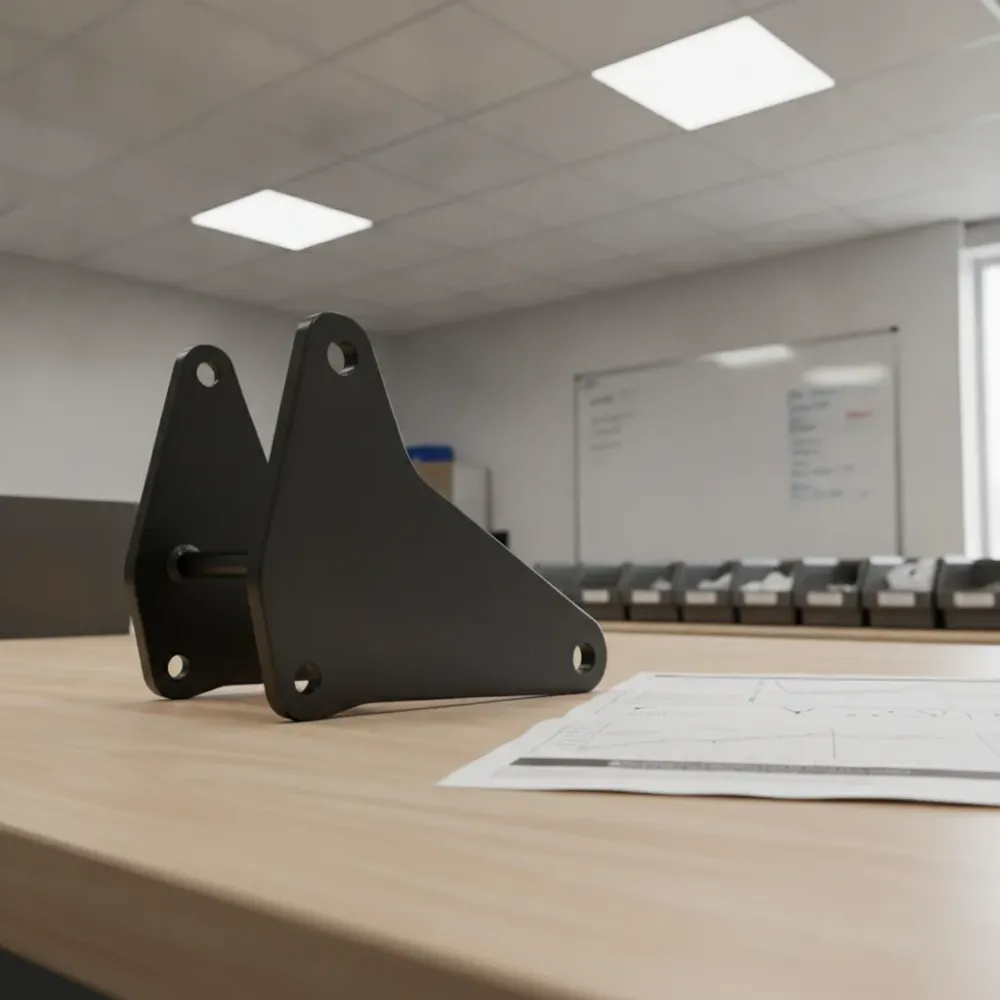
Our team validates against the same 3D model used for fabrication, so we’re comparing the printed or machined prototype directly to design intent rather than eyeballing it. That’s a fundamentally different process than a visual check, and it catches tolerance stack-up and interference issues that would otherwise show up during field assembly at an Alberta lease site, where a redesign trip costs far more than a bench test ever would.
Every validation report our licensed engineers sign off on traces back to the original CAD geometry, whether that geometry started as a fresh design or came from reverse engineering an existing part. This matters most on skid and pump package work, where one misaligned mount can hold up an entire aggregate handling trailer build.
- Dimensional comparison against source CAD model (STEP, IGES, STL)
- Fit and clearance check against mating parts or skid frame
- Functional load or motion test where the part carries mechanical stress
- Engineering review and stamped sign-off on final validated geometry
- Documented findings ready for procurement or client submission
We see this most on gen-set and compressor package projects, where a single bracket revision can ripple through the whole assembly. Testing the prototype first, before committing to a full production run, is what keeps that ripple small.
Thinking about Functional Prototype Testing & Validation? Let’s talk.
Call now. Masters-3D is ready to help.
When You Can Skip Full Functional Validation
Not every prototype needs the full process. If the part is a low-load fixture, a one-off jig, or purely a form-check for fit, a visual review plus a dimensional check against the CAD model is usually enough. We tell clients this straight, even when it shrinks the scope of work.
The same goes for early-stage concept models used only to confirm ergonomics or assembly clearance on a pump skid or compressor package layout. At that stage the part isn’t load-bearing and won’t see field conditions, so stamped engineering validation just adds cost without adding value.
- Fit-check parts that will never carry a structural or pressure load
- Single-use jigs or fixtures replaced after one job
- Early concept iterations used only for internal design review
- Non-critical brackets or covers with no safety or code implication
- Parts already validated under an existing stamped design whose geometry hasn’t changed
If your part sits on a tank, vessel, or piping system that will operate under pressure, temperature cycling, or vibration, that’s a different conversation entirely. Those applications, common across Alberta oil and gas sites, do warrant engineering sign-off before fabrication.
Our licensed engineers make that call based on load path, material behavior, and end-use environment, not on how the part happens to look on a screen.
What Drives Testing and Validation Costs
Cost for this kind of engineering validation in Calgary isn’t a flat rate. It scales with part complexity, load conditions, and how many test cycles a design needs before it’s cleared for field use. A single-cavity bracket costs less to validate than a pump skid component facing pressure, vibration, and thermal cycling all at once.
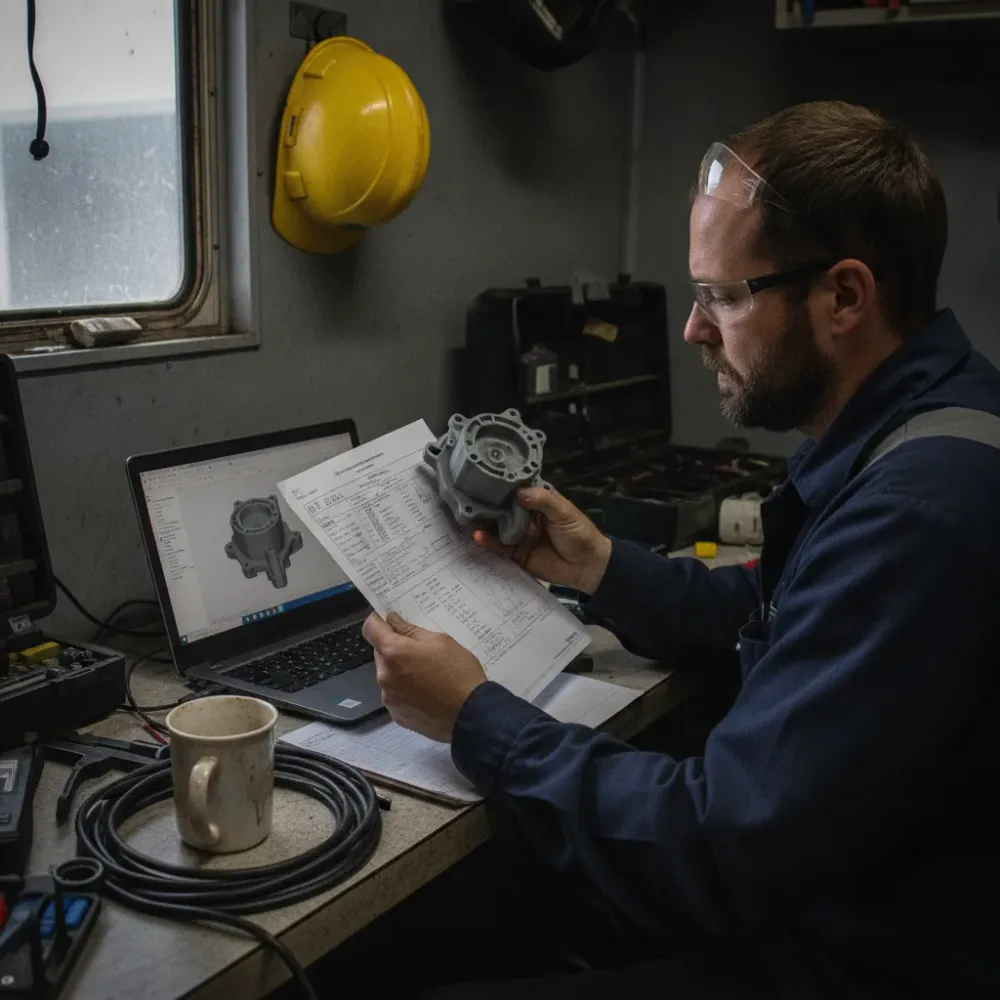
Geometry drives a lot of that variability. Capturing complex geometry on a part with internal channels or tight tolerances takes longer to model, mesh, and simulate than a simple flat bracket does. Test count matters too, since one pass rarely tells the whole story.
- Part complexity and tolerance requirements, since tighter tolerances mean more measurement passes
- Material behavior under load, temperature swings, or repeated stress cycles
- Number of iterations needed before a design passes validation
- Deliverable format required, whether that’s a STEP file, IGES, or a stamped engineering drawing
- Whether the part needs full engineering stamping and sign-off for regulatory or client submission
That last point is worth asking about directly. A prototype that only needs functional confirmation costs less to validate than one requiring a licensed engineer’s stamp for procurement or regulatory submission. Before you request a quote, ask what test conditions apply, how many revision cycles are included, and whether stamped drawings are part of the deliverable.
We price based on scope, not guesswork, our licensed engineers scope the work before a number ever gets attached to it.
Frequently Asked Questions
Common questions about Functional Prototype Testing & Validation
How do I know if my prototype needs functional testing?
Your prototype needs functional testing if it carries a load, moves against another part, or bolts onto existing equipment. Think pump skid brackets, gen-set mounts, or tank fittings. If the part only needs a visual check for looks or a rough fit, you can often skip full validation. But once it has to perform a job in the field, a bench test catches problems before they cost you a re-fabrication trip.
What CAD files do I need to send for testing?
We work from STEP, IGES, or STL files, whichever matches your design software. We review the geometry first and flag tolerance issues before anything gets printed. If your design is headed for stamped engineering drawings, sending the original CAD file lets us compare the finished prototype directly against design intent instead of just eyeballing it.
What happens after my prototype passes validation?
After validation, our licensed engineers review the test data and sign off on the design, or send it back for another revision. Once it’s approved, we release the finalized DWG or STL files for production or fabrication. You get a documented report with real dimensional data, not just a pass or fail note, which you can hand to procurement or an internal QA team.
Why does functional testing matter more for Calgary’s energy sector projects?
Functional testing matters here because a redesign trip to an Alberta lease site costs far more than a bench test ever would. Skid packages, compressor housings, and tank fittings often have to mate with equipment that’s already installed. Catching a bolt pattern or nozzle clearance error in the prototype stage, before it ships, saves you an entire re-fabrication cycle down the road.
Can a prototype fail testing even if it looks correct?
Yes, a part can look fine as a printed model and still fail once it meets real torque or pressure. This shows up most often on pump skid components and compressor package fittings, where tolerance stack-up across mating surfaces almost never appears until the part is physically tested. That’s why we compare every prototype against the CAD model with point cloud data, not just a visual scan.
Do all printed prototypes need an engineer’s sign-off?
No, only prototypes headed for load-bearing or field use need a stamped engineering sign-off. Fit-check parts, one-off jigs, and early concept models used for internal review usually just need a dimensional check against the CAD file. We’ll tell you upfront if your part falls into this lower-risk category, so you’re not paying for validation your project doesn’t need.
Recent Comments