Trusted design professionals since 1995
What’s Covered on This Page
- An Engineering Presentation Model Must Survive Technical Scrutiny
- The Path From Scan or CAD Data to a Finished Presentation Model
- Presentation Models for Tanks, Skids, and Compressor Packages in Calgary
- What Drives the Cost of an Engineering Presentation Model
- When a Full Presentation Model Isn’t the Right Tool
- How long does it take to build an engineering presentation model?
- What happens when your team comes to scan our lease site?
- Can you still capture accurate geometry during a short shutdown window?
- What file formats will I get with my finished model?
- Does my presentation model need to be engineering stamped?
- Why does a presentation model need engineering review before delivery?
An Engineering Presentation Model Must Survive Technical Scrutiny
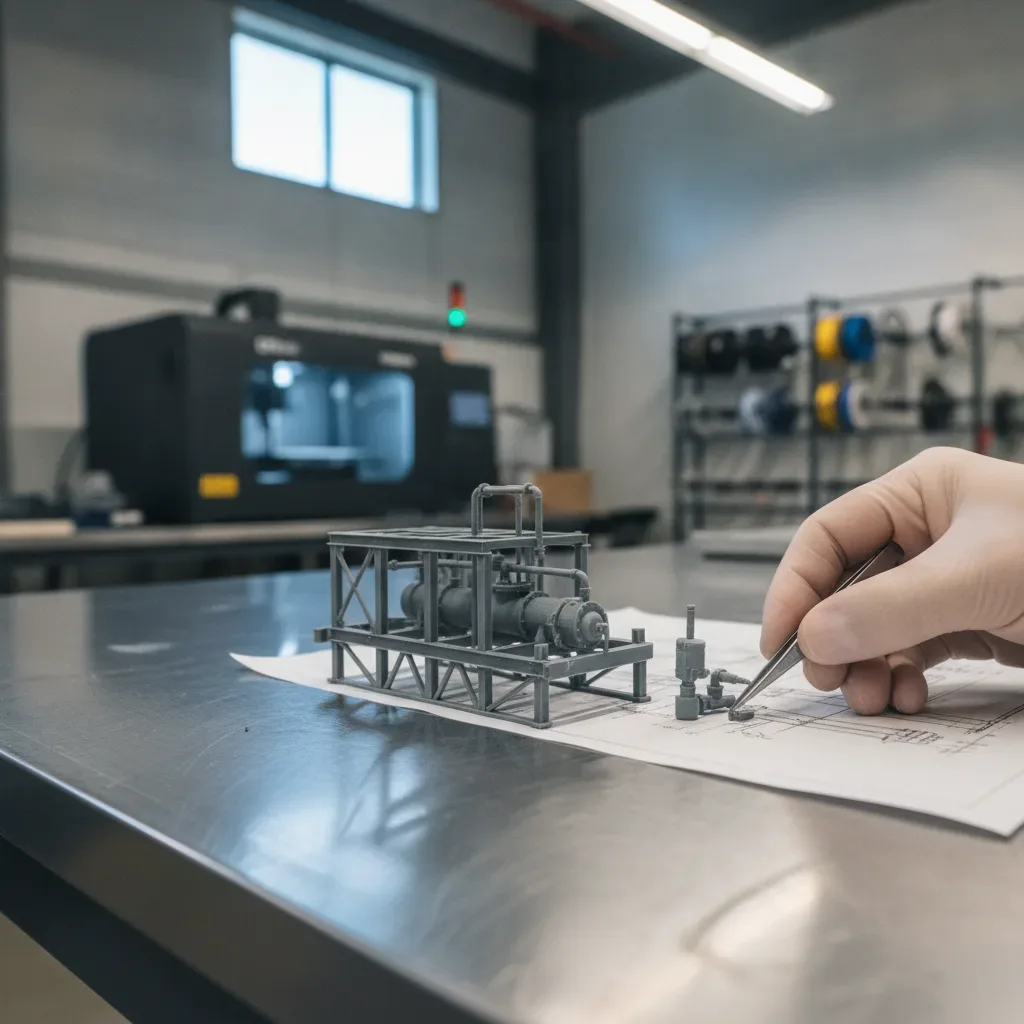
A presentation model that gets picked apart in a design review does nobody any favors. We’ve sat in those meetings. An engineer points at a compressor package and asks why the piping clearance doesn’t match the P&ID, and just like that, the whole model loses credibility.
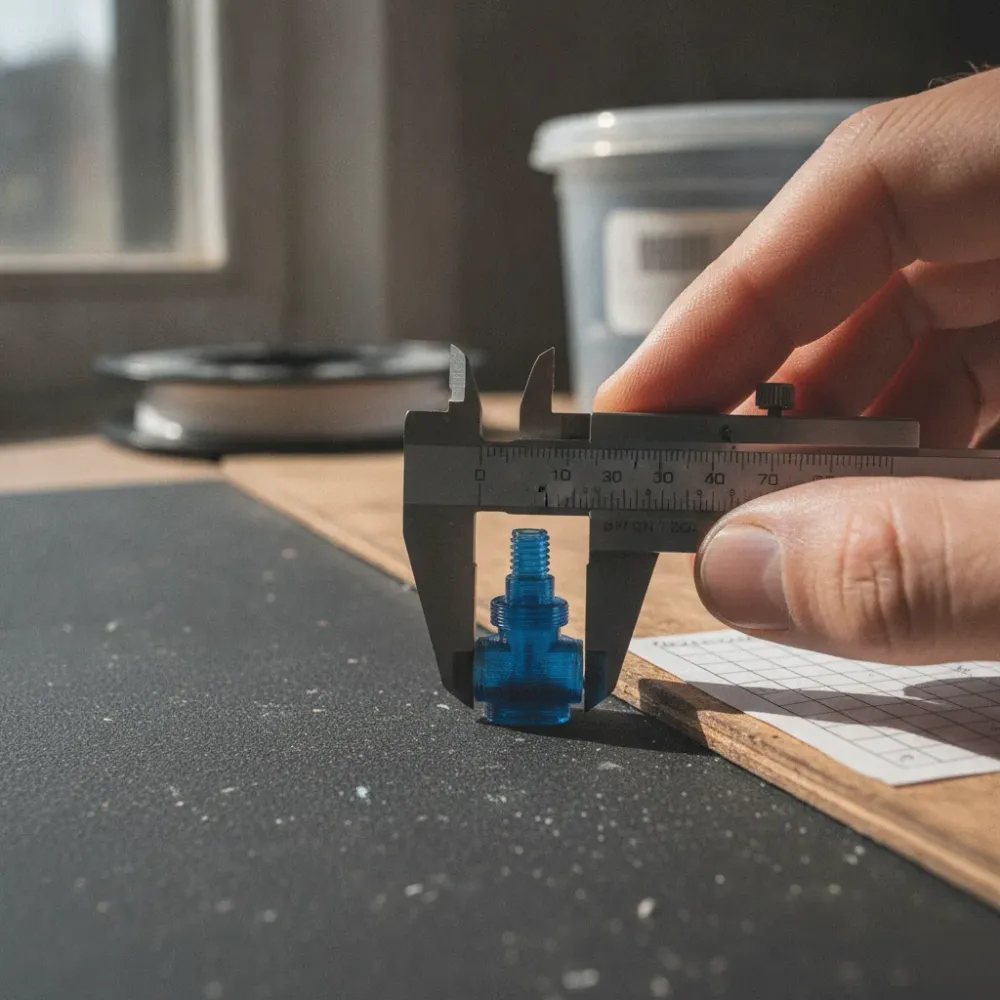
That’s why we build every engineering presentation model from the same CAD foundation we use for stamped drawings. Tank geometry, skid dimensions, structural steel members, all of it traces back to real data, either 3D scan capture or verified design files. That’s the difference between a model that looks right and one that is right.
For lease site and facility work, we often pull from point cloud data captured during scanning, then convert it into CAD models suitable for STEP, IGES, or STL output, depending on how the model will be used downstream.
- Geometry sourced from verified CAD or as-built scan data, not estimated dimensions
- Component relationships checked against P&IDs, plot plans, or structural drawings
- Reviewed by our in-house licensed engineers before delivery
- Compatible file formats for downstream use, including STEP, STL, and DWG
That review step is the part that matters most. A model can look polished and still be wrong, dimensions off, a vessel misplaced relative to a skid. Our engineers catch that before it ever reaches your stakeholders.
The Path From Scan or CAD Data to a Finished Presentation Model
An engineering presentation model rarely starts from a blank screen. Most projects begin with either a 3D laser scan of an existing lease site, tank farm, or compressor pad, or a CAD file carried over from an earlier design phase. Either way, our team follows the same disciplined path from raw data to finished model, with licensed engineering review built into the process rather than tacked on at the end.
- Capture or intake: field scan data comes in as a point cloud, typically delivered or registered in E57 or RCP format, while design-stage projects start from STEP, IGES, or native CAD files.
- Registration and cleanup: point cloud data is aligned, decimated, and checked against known survey control before any modeling begins.
- Geometry build: our engineers construct solid CAD geometry over the scan or refine the existing design, matching real-world tolerances rather than assumed dimensions.
- Engineering review and stamping: a licensed engineer checks structural logic, clearances, and load paths, then signs off on the model.
- Output conversion: the final model is exported to STL for 3D printing or DWG and STEP for stakeholders who need editable drawings.
We’ve built presentation models this way for compressor packages, gen set skids, and tank and vessel layouts across Calgary’s industrial corridors, where site access is often limited to short shutdown windows. That constraint is exactly why scan-based modeling earns its keep: one visit captures the geometry your team needs, no second site mobilization required.
The stamped drawing at the end of that chain is really the point. A model without engineering sign-off is just a visual aid. A stamped model is a document your procurement and design teams can act on with confidence.
Presentation Models for Tanks, Skids, and Compressor Packages in Calgary
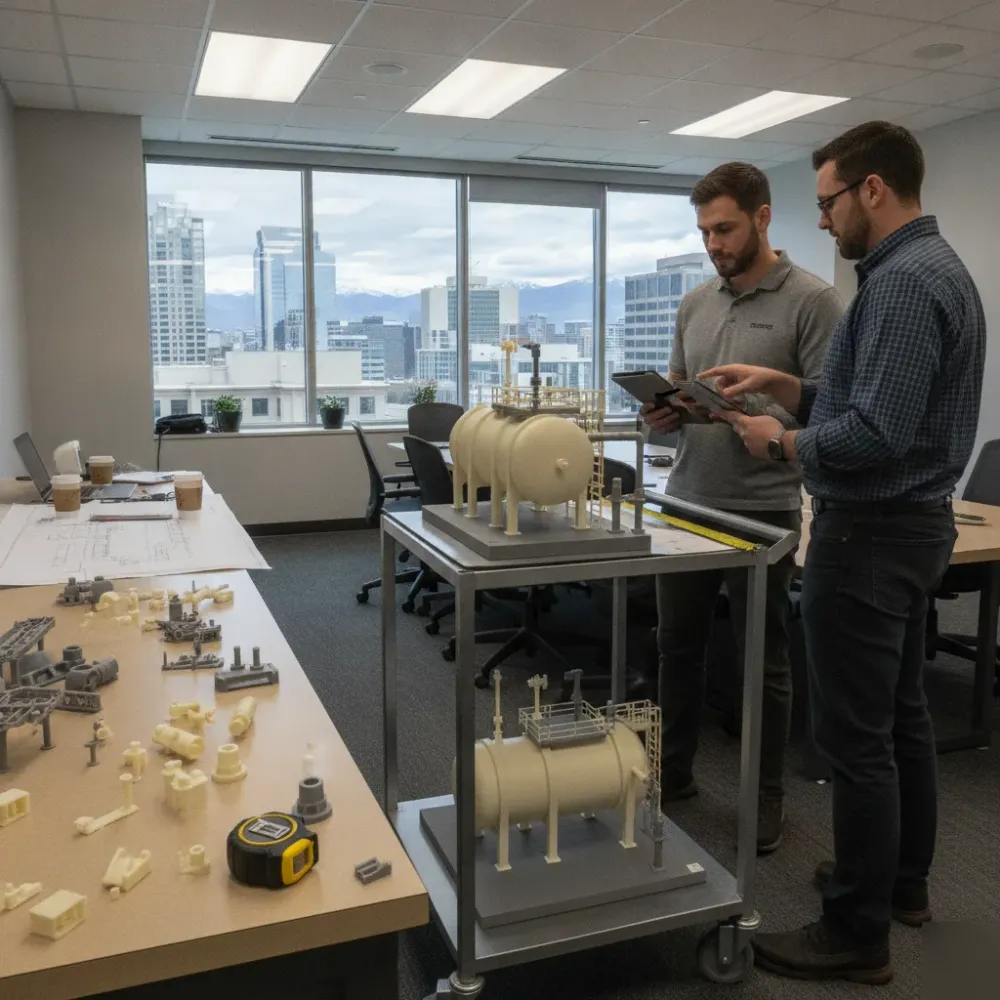
Tanks, skids, and compressor packages each carry their own clearance rules, and a presentation model has to respect all of them. We build these models from point cloud data or CAD source, then dimension them so the geometry matches the real equipment footprint rather than an approximation of it.
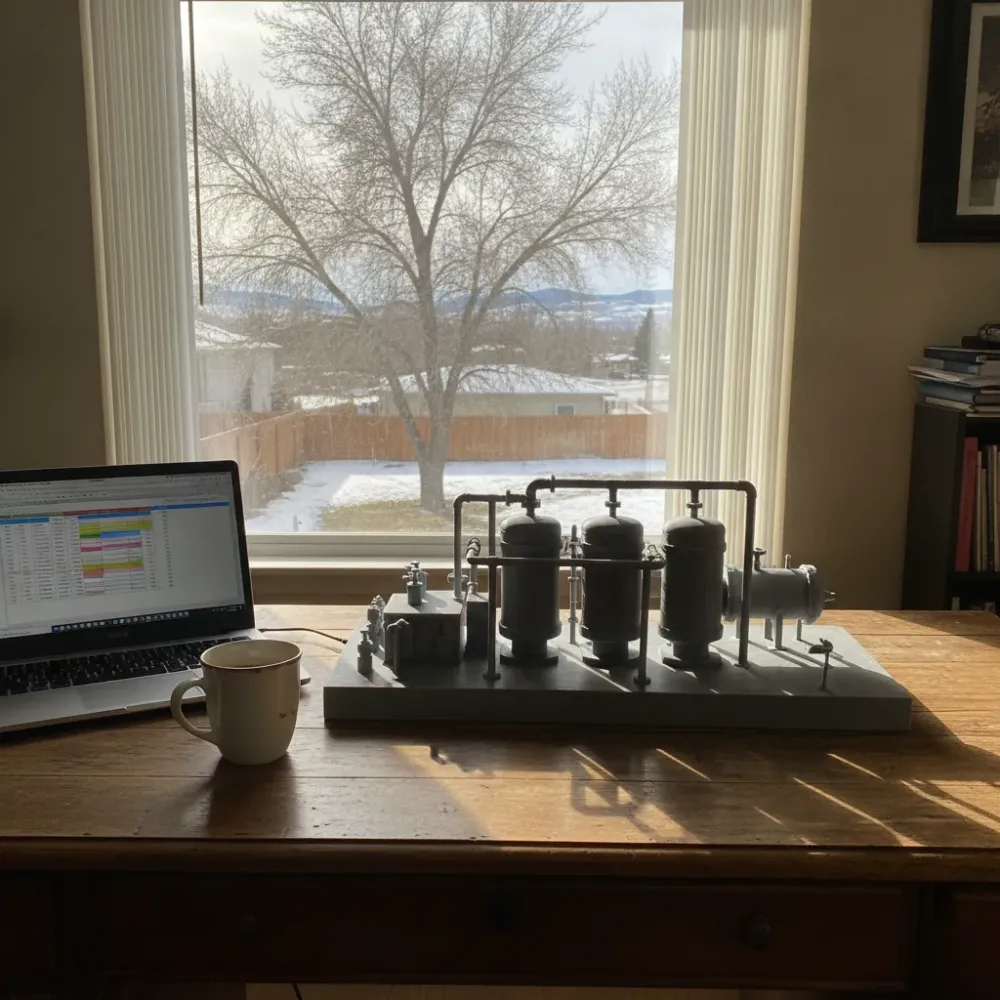
Lease sites in Foothills Industrial and similar tight Calgary yards often leave narrow spacing between tank shells and skid piping. A model that’s off by even a few centimeters can misrepresent whether a compressor package will actually fit next to an existing vessel. That’s why our licensed engineers review the model against the scan or design file before it goes out the door.
We work from formats your team already uses. Point cloud and E57 data comes in from the scan, STEP or IGES carries the solid geometry, and STL supports any physical model or 3D print. DWG stays on hand for anyone on the review call who needs a familiar 2D reference alongside the 3D view.
- Tank and vessel models with accurate shell diameter and nozzle placement
- Skid and pump package models showing piping clearance and support steel
- Compressor and gen set models built for facility layout review
- Deliverables in STEP, STL, IGES, or DWG depending on your downstream use
Not every project needs full engineering stamping on the presentation model itself. Some are for internal review only, others feed straight into an AFE package that does need sign-off. We ask which situation you’re in before we start, so the model gets built to the right standard the first time.
What Drives the Cost of an Engineering Presentation Model
Every engineering presentation model gets priced around a handful of real variables, not a flat rate. Geometry complexity matters most. A single tank or vessel model takes far less modeling time than a full skid package with piping, valves, and structural steel all woven together.
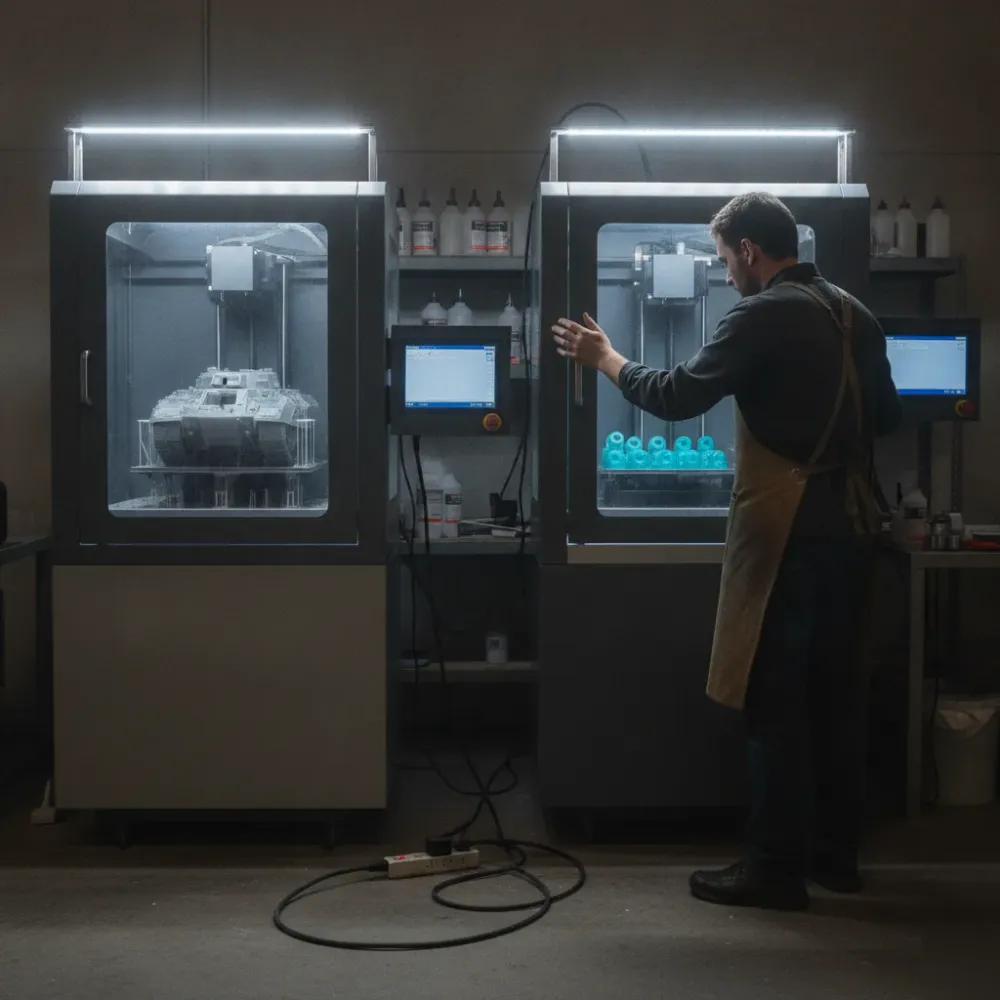
Source data quality changes the math too. If we’re starting from a clean 3D laser scan or an existing point cloud, the model comes together faster. If we’re working from old as-built drawings or field sketches, we spend more time verifying dimensions before modeling even starts.
- Number of components and how they connect mechanically
- Level of detail needed, schematic versus fully dimensioned
- Source data type: laser scan, point cloud, drawings, or field measurements
- Deliverable file formats required, such as STEP, STL, or DWG
- Whether the model needs a licensed engineer’s stamp for design validation
That last point matters more than most people expect. A model built for internal visualization is one thing. A model tied to stamped, validated drawings for fabrication or client approval is another thing entirely. Our in-house licensed engineers review geometry against the source data before anything gets signed off, which cuts down on rework once the model reaches the shop floor or the client’s desk.
Revisions add cost too, but they don’t have to. A well-scoped project with clear source data usually needs fewer rounds of changes.
Watch Our Video
See How We Handle Engineering Presentation Models in
Masters-3D
When a Full Presentation Model Isn’t the Right Tool
Not every project needs a presentation model. If your team just needs a permit filed or a piece fabricated, a full model is overkill.
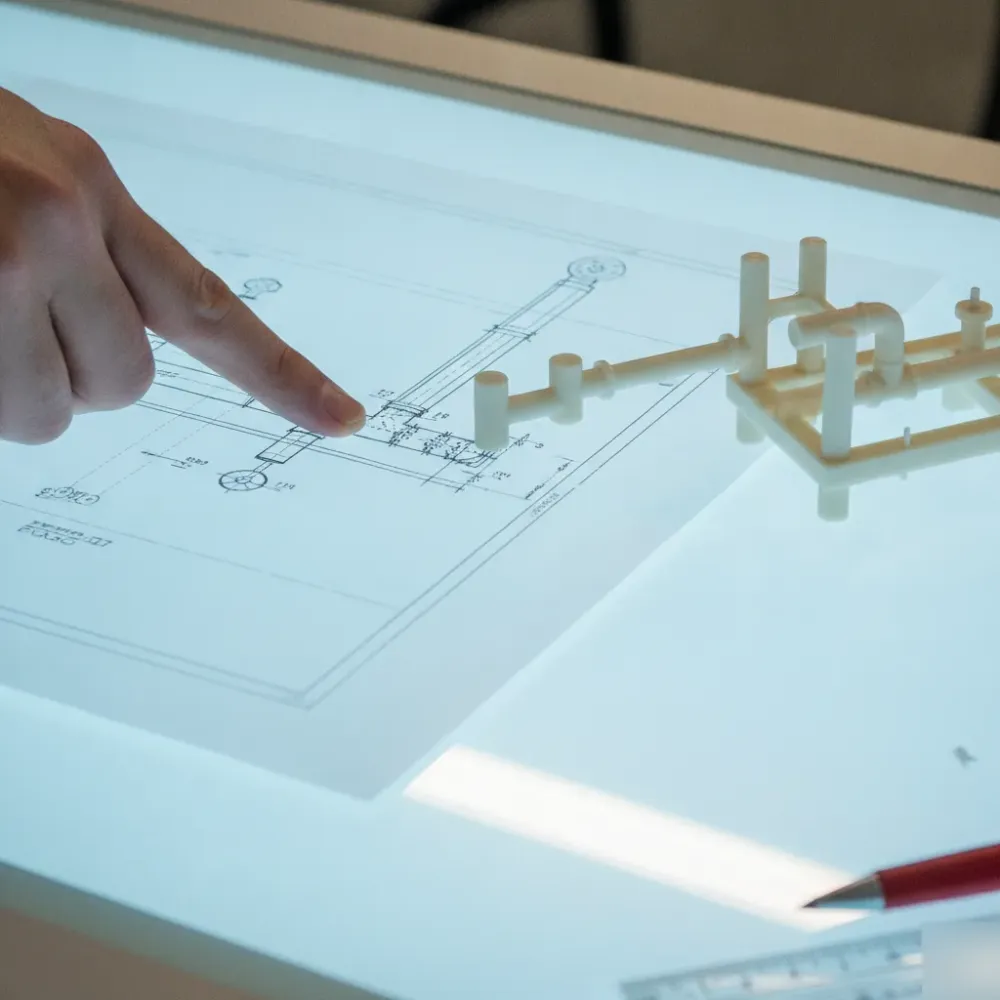
Say you need stamped 3D piping drawings for a tie-in on an existing skid. That’s a drafting and engineering sign-off job, not a presentation build. Same goes for as-built documentation on a lease site update, or a point cloud to CAD conversion for a single vessel. Those deliverables stand on their own. Adding a rendered presentation model on top adds cost without adding engineering value.
We see this a lot with early-stage proposals. If a client is still deciding whether to move forward with a compressor or gen set install, a rough layout sketch or a plot plan often answers the question faster than a detailed model would.
A presentation model earns its cost when the audience matters: board approvals, regulatory reviews with the Alberta Energy Regulator, or investor packages where stakeholders need to see the facility before steel goes in the ground. If the drawing set alone gets you the sign-off you need, that’s the right call.
So ask yourself one question before you request a model. Who is going to look at this, and do they need to see it, or just approve it? If it’s the second one, save the budget for fabrication.
Nine times out of ten, clients who call us for a model just need accurate as-builts or a stamped drawing set. We’ll tell you that up front, even if it means a smaller job.
Frequently Asked Questions
Common questions about Engineering Presentation Models
How long does it take to build an engineering presentation model?
Most models take one to three weeks, depending on complexity. A single tank or vessel model moves fast because there’s less geometry to build. A full skid package with piping and structural steel takes longer, since every clearance has to check out. Clean scan data speeds things up. Old as-built drawings or field sketches add time, because we verify every dimension before modeling starts. We’ll give you a realistic timeline once we see your source data.
What happens when your team comes to scan our lease site?
We show up with laser scanning gear, capture the site in one visit, and leave you with a point cloud ready for modeling. You don’t need to prep much beyond normal site access. We work around your shutdown window since many Calgary sites only allow limited access. One visit is usually enough to capture everything, so your team avoids scheduling a second mobilization just to get missing geometry.
Can you still capture accurate geometry during a short shutdown window?
Yes, that’s exactly why scan-based modeling works well for Calgary industrial sites. Lease sites and tank farms in areas like Foothills Industrial often only allow a short shutdown for access. One scanning visit captures the full point cloud, so we build the model afterward without needing to return to site. That saves your crew from coordinating a second visit around another tight window.
What file formats will I get with my finished model?
You’ll get the model in whatever format your downstream use needs, usually STEP, STL, or DWG. STEP and IGES carry the solid CAD geometry for editing. STL works for 3D printing or physical models. DWG gives your team a familiar 2D reference for review meetings. We ask about your intended use upfront, so you’re not stuck converting files later on your own.
Does my presentation model need to be engineering stamped?
It depends on what the model is for. If it’s going into an AFE package or a stakeholder decision, it likely needs a licensed engineer’s sign-off. If it’s for internal review only, you may not need stamping at all. We ask which situation applies before we start modeling, so we build it to the right standard the first time instead of redoing work later.
Why does a presentation model need engineering review before delivery?
Because a model that looks right isn’t always right, and a wrong dimension can cost you credibility in a design review. We’ve seen models get picked apart when a clearance doesn’t match the P&ID. Our licensed engineers check structural logic and component placement before anything goes out. That review step catches misplaced vessels or tight piping clearances before your stakeholders ever see the model.
Recent Comments