Trusted design professionals since 1995
What’s Covered on This Page
- Signs a Broken or Discontinued Part Needs Custom Fabrication
- Starting Without a CAD File: Scanning and Reverse Engineering Options
- When Standard Parts Are the Better Fix
- Engineering Validation and Sign-Off for Safety-Critical Parts
- Fabricating Parts for Calgary’s Industrial and Energy Equipment
- What should I bring in when I need a custom part made?
- Do I need a CAD file before I start a fabrication job?
- Can I just send photos instead of bringing in the actual part?
- Should I check local hardware suppliers before ordering a custom part?
- Why do older Calgary industrial sites need custom fabrication so often?
- What happens after I approve the digital model of my part?
Signs a Broken or Discontinued Part Needs Custom Fabrication
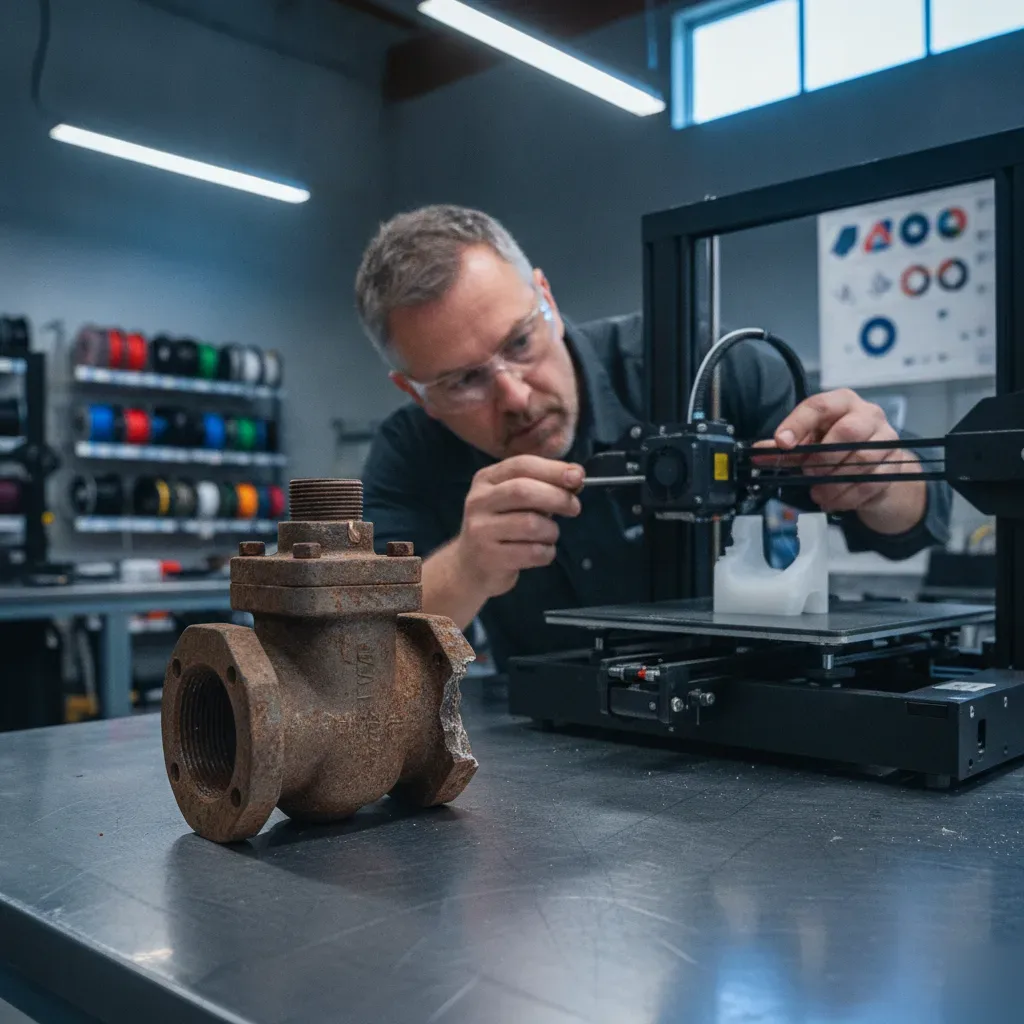
Most requests we get start the same way. A part fails, the manufacturer has discontinued that model, and the lead time on a comparable replacement stretches past whatever window your shutdown schedule gives you. That gap between what you need and what’s actually available is exactly where custom fabrication pays for itself.
We run into this constantly in the older industrial parks around northeast Calgary, where compressor and gen set packages installed decades ago are still running on components no manufacturer bothers to stock anymore.
- The OEM part number no longer exists in the manufacturer’s catalog
- Replacement lead times exceed your planned maintenance window
- The failed part shows wear patterns the original design never accounted for
- You have multiple units of the same asset and need consistent, repeatable replacements
- The original drawings are missing, incomplete, or were never stamped by an engineer
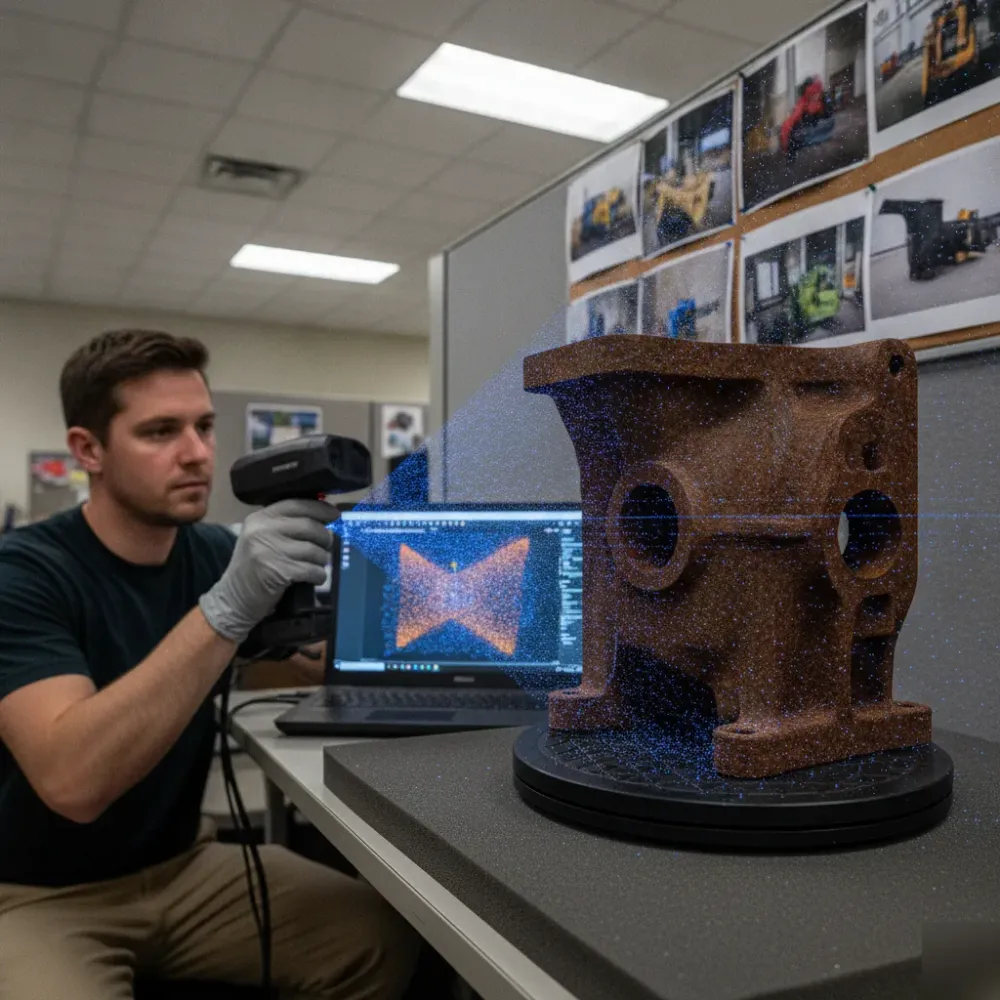
Our process starts with 3D scanning the failed or worn component, capturing its geometry as a point cloud and converting that into CAD. From there, our licensed engineers validate the design intent, correct for wear or damage, and produce stamped drawings ready for prefabrication. Deliverables typically include STEP or IGES files for machining and STL files for print validation.
Starting Without a CAD File: Scanning and Reverse Engineering Options
Most custom fabrication jobs in Calgary begin one of two ways. Either the customer walks in with a CAD file from an engineer or OEM, or they show up with a broken part, a rusted-out sample, or a rough sketch and not much else. Both starting points work, but they lead down different roads. With a CAD file in hand, a shop can move almost straight into material selection, tolerance review, and cutting or machining. Without one, the first job is figuring out what the part actually looks like in three dimensions, and that’s where scanning and reverse engineering come in.
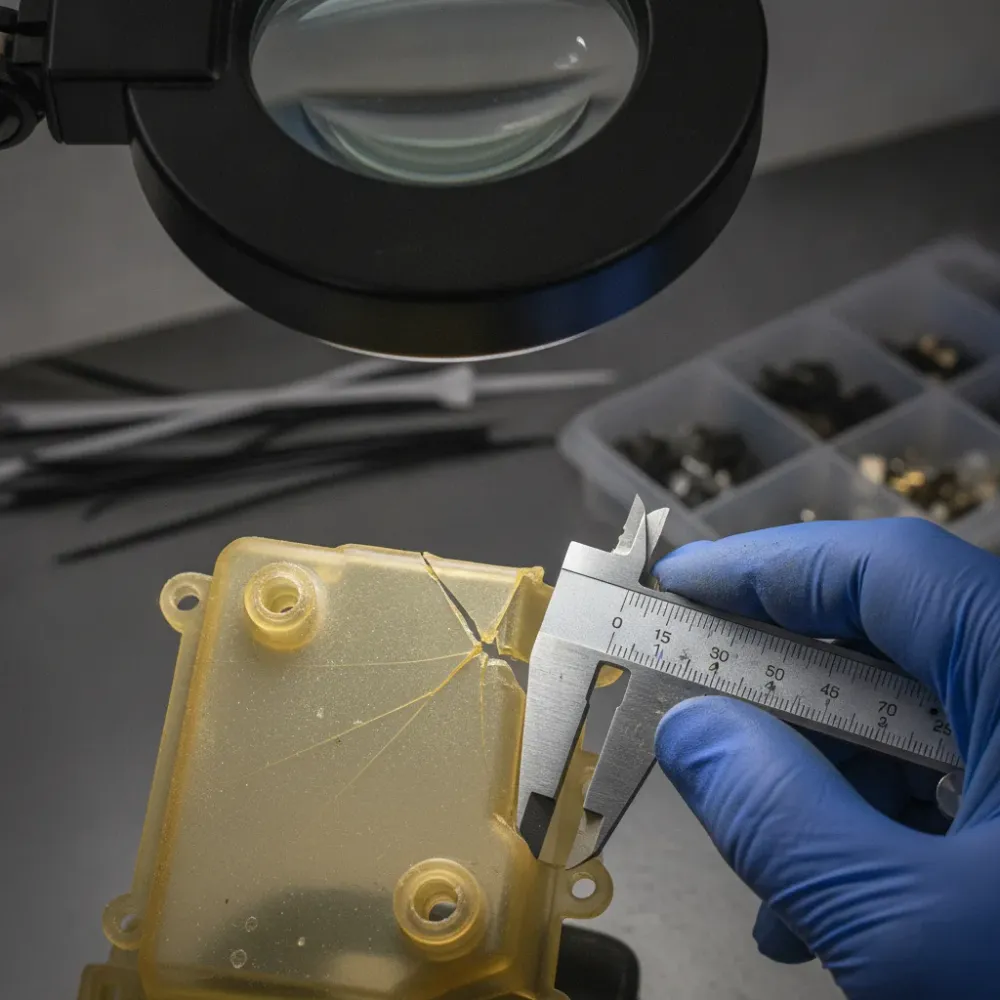
People often assume a handful of clear photos will get the job done. Photos help set the scene, sure, but they flatten geometry and warp proportions depending on the angle they’re shot from. They rarely capture wall thickness, internal features, or subtle curves with any real accuracy. For a part that has to bolt up, seal, or mate with something else, a photo is a conversation starter, not a spec sheet. That holds especially true for irregular shapes, custom brackets on aging equipment, or agricultural and oilfield parts where the original manufacturer may not even be in business anymore.
3D scanning captures the actual surface geometry of a broken or worn sample, even one that’s cracked, corroded, or missing chunks. That scan data then gets cleaned up and rebuilt into a usable CAD model, correcting for wear or damage so the new part reflects what the original was meant to be. From there, the job falls into the same rhythm as any CAD-based project: dimensions get reviewed with the customer, material and finish get confirmed, and then it moves on to cutting, forming, welding, or machining.
- Bring in the broken or worn sample, even if it’s incomplete, for scanning and measurement
- Shop rebuilds accurate CAD geometry, correcting for wear, damage, or missing material
- Customer reviews the digital model before any material gets cut
- Production moves forward using the same fabrication methods as a job that started with a finished drawing
The real advantage for Calgary customers is not having to shuttle between a design service, a scanning bureau, and a fabrication shop. Having one provider handle the whole path, from broken sample to reverse-engineered CAD to finished part, eliminates the handoff delays and miscommunication that tend to creep in between separate vendors. That matters most when equipment is down and every extra day of waiting costs real money.
When Standard Parts Are the Better Fix
Not every broken bracket or missing bolt needs a fabrication job. Before a Calgary shop fires up a welder or programs a CNC cut, it’s worth asking whether the part already exists on a shelf somewhere. A surprising number of jobs labeled ‘custom’ turn out to be standard hardware in disguise: a stripped bolt, a bent mounting bracket, a snapped arm, or a worn clip that matches a common size.
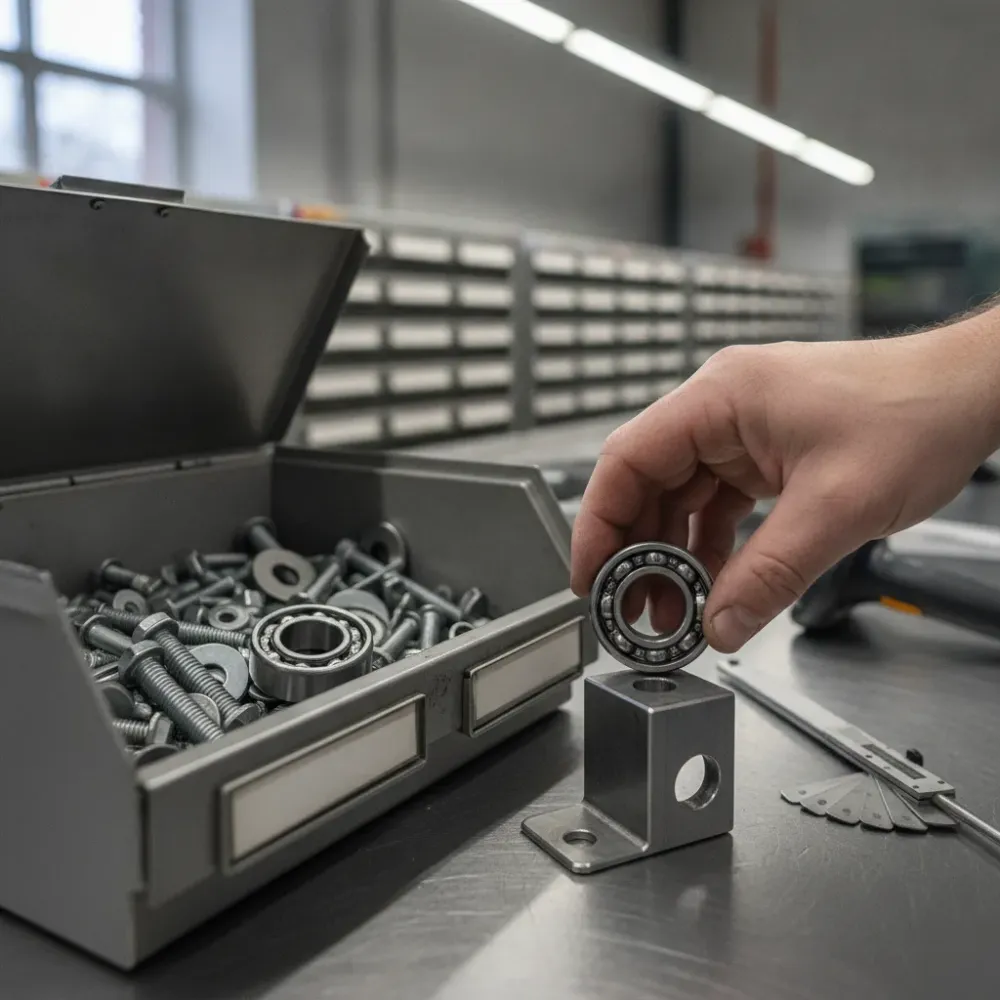
Calgary isn’t short on suppliers who stock this kind of hardware. Fastener shops along the industrial corridors in the southeast, big-box hardware chains, and specialty bearing and bolt distributors all carry metric and imperial stock in dozens of grades and finishes. For anything involving standard bolt patterns, common gauge steel, or typical bracket dimensions, checking these suppliers first can save days of turnaround and a meaningful chunk of the budget.
- Standard nuts, bolts, washers, and threaded rod in common metric and SAE sizes
- Off-the-shelf L-brackets, U-brackets, and mounting plates in typical gauges
- Replacement hinges, latches, casters, and handles for equipment and trailers
- Pre-cut angle iron, flat bar, and tubing in standard lengths
- Gaskets, bushings, and spacers sized to common equipment models
A good fabricator will tell you this upfront rather than quoting a custom build for something a hardware counter could fix in an afternoon. That honesty matters, especially in a market where custom work commands a fair price because of the design time, material waste, and precision it demands. Saving that process for parts that genuinely can’t be bought elsewhere protects the value of custom fabrication and keeps trust intact with repeat clients across Calgary’s construction, agriculture, and industrial sectors.
Custom fabrication earns its cost when a part is discontinued, was originally proprietary to a manufacturer no longer in business, needs to match an unusual dimension or load requirement, or has to integrate with a one-off piece of equipment. In those cases, no supplier catalog has the answer, and a shop with real fabrication capability becomes the only realistic path forward.
Engineering Validation and Sign-Off for Safety-Critical Parts
Not every custom part carries the same weight under Alberta law. A decorative bracket for a retail display doesn’t need anyone’s blessing, but a mounting plate for a crane attachment, a structural support for a mezzanine, or a pressure-adjacent fitting for oilfield equipment lands squarely in safety-critical territory. In Alberta, any engineering judgment touching public safety, structural integrity, or regulated equipment has to be signed off by a licensed Professional Engineer registered with APEGA, the Association of Professional Engineers and Geoscientists of Alberta. That’s not a box to check. It’s a legal requirement, and shops without a P.Eng on staff simply can’t provide it themselves.
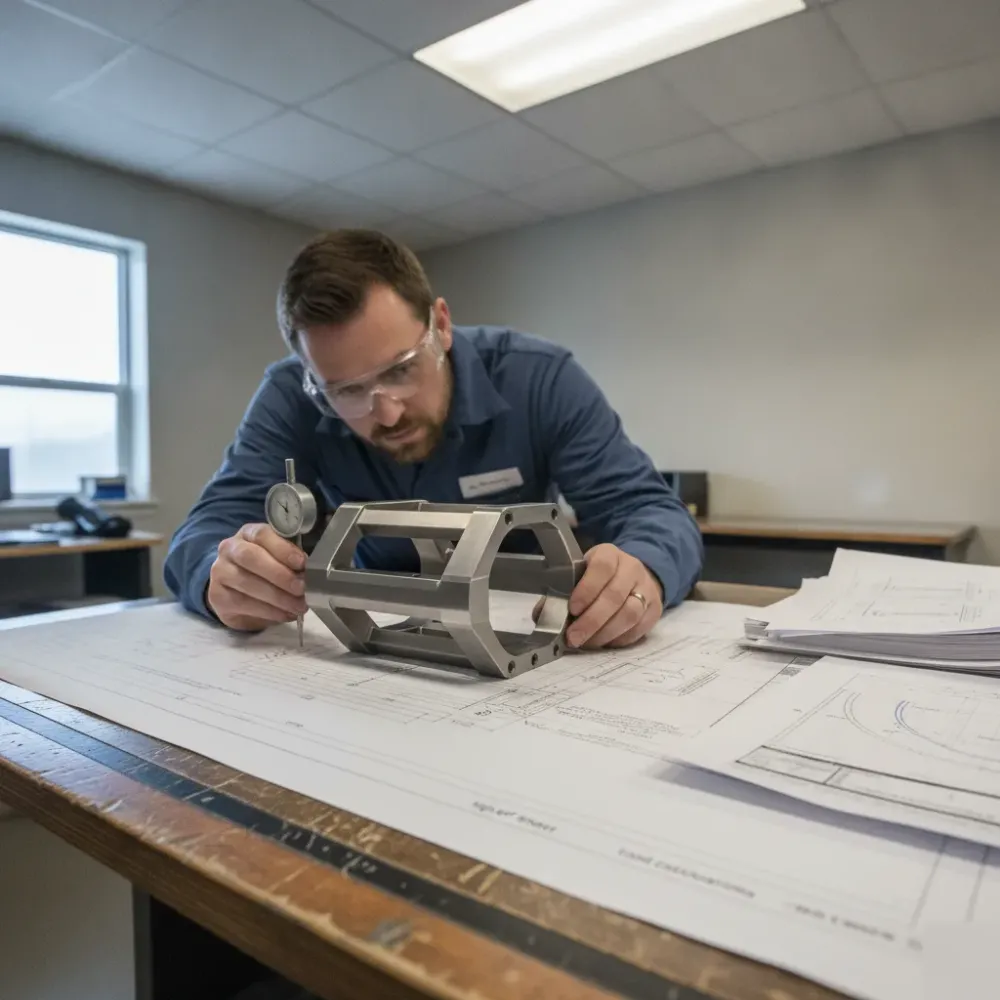
That requirement creates a real bottleneck for Calgary businesses working with typical fabrication shops. A shop without in-house engineering is left with two choices: skip the validation and hope the part never gets scrutinized, or hand the review off to a third-party consulting engineer. Outsourcing tacks days or weeks onto a project, and the coordination fees add up fast. On projects tied to plant shutdowns, construction deadlines, or seasonal equipment repairs, that delay can be the difference between staying on schedule and losing a client.
Having licensed engineers on staff removes that bottleneck. The same team that reviews the design, selects the material, and verifies weld procedures can also issue a stamped drawing or a formal letter of assurance confirming the part meets applicable structural or safety standards. This matters most in situations such as:
- Structural attachments for cranes, hoists, or lifting equipment used on Calgary job sites
- Custom mounts and brackets for oilfield or agricultural machinery subject to load stress
- Modifications to municipal or provincial infrastructure components requiring inspection sign-off
- Fabricated parts intended for use in fall-protection or guarding systems
- Pressure-adjacent fittings or supports where failure risk affects worker safety
For buyers, the takeaway is simple: before committing to a shop for a structural or safety-relevant part, ask directly whether engineering validation happens in-house or gets outsourced. That one question tells you a lot about turnaround time, accountability, and whether the fabricator actually understands the regulatory weight of what they’re building.
Fabricating Parts for Calgary’s Industrial and Energy Equipment
Custom part and accessory fabrication in Calgary tends to start the same way every time: a part exists, but the drawing behind it doesn’t. A compressor bracket cracks, someone swaps a pump skid fitting in the field for something close enough, and suddenly the equipment’s actual geometry no longer matches anything in the maintenance file.
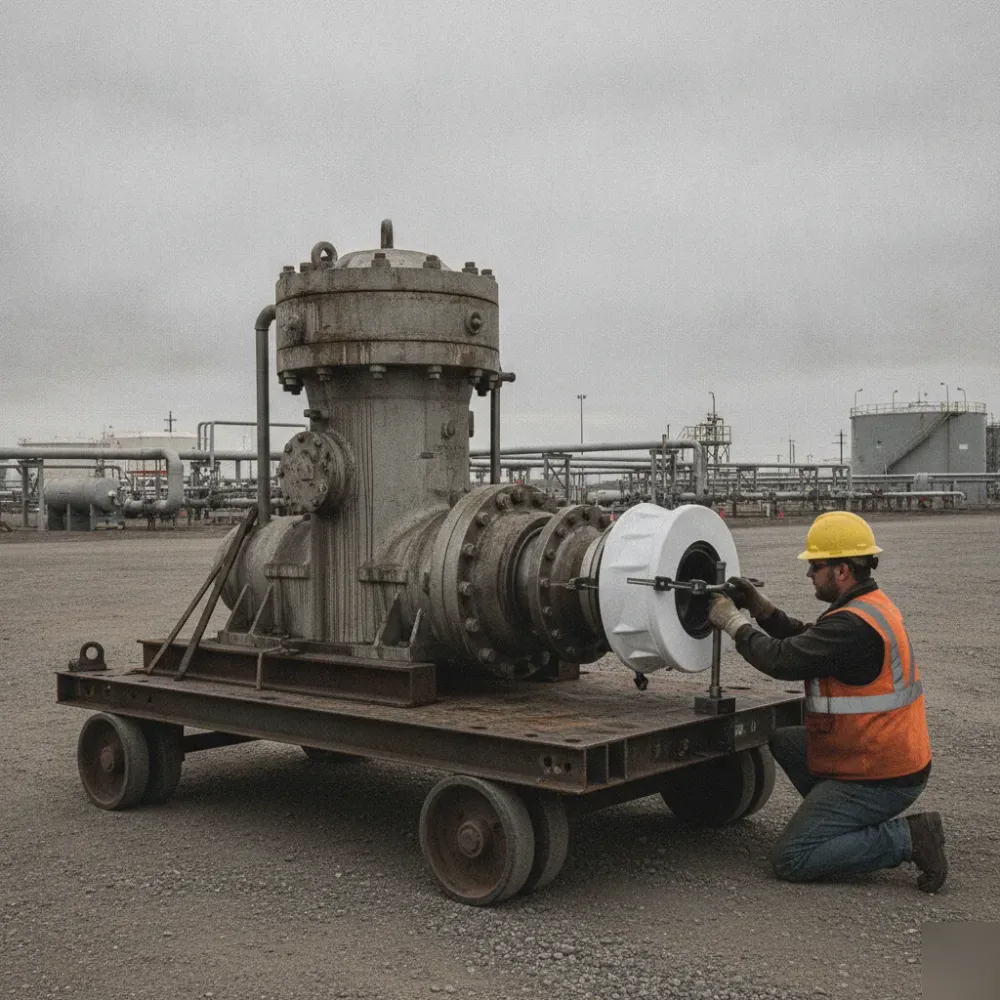
We run into this constantly on gen-set and skid packages installed decades ago, where the original manufacturer is long gone or the drawings never made it into the file in the first place. Facilities in older industrial areas like Foothills Industrial Park often run equipment from the 1970s and 1980s, and OEM support for those components has largely dried up.
Our process starts with 3D laser scanning of the physical part or the surrounding assembly, capturing point cloud data that we then convert into CAD. From there, our licensed engineers build a custom CAD model, check tolerances against the mating components, and produce a stamped, validated drawing ready to hand off to a fabrication shop.
- Point cloud capture and reverse engineering from physical part to digital model
- Custom CAD modeling in STEP, IGES, or STL depending on downstream fabrication use
- Engineering stamping and sign-off on final drawings
- Tank, vessel, compressor, and gen-set component modeling for lease site equipment
- As-built documentation tying the new part back to the original skid or pump package
This matters because a part that’s almost right but not quite accurate usually means rework at the shop, or worse, a fit problem once it’s back on site. Stamped drawings give procurement teams a defensible record for cost estimates, and give fabricators exact dimensions instead of a rough sketch to guess from. That’s often the difference between one fabrication run and three.
Frequently Asked Questions
Common questions about Custom Part & Accessory Fabrication
What should I bring in when I need a custom part made?
Bring in the broken or worn part itself, even if it’s incomplete, cracked, or missing pieces. This lets us scan the actual geometry instead of guessing from a description. If you have original drawings, an OEM part number, or a rough sketch, bring those too. But the physical sample matters most because it shows real wear patterns, wall thickness, and details that a description alone can’t capture. You’ll review the rebuilt digital model with us before we cut any material.
Do I need a CAD file before I start a fabrication job?
No, you don’t need a CAD file to get started. Most jobs begin one of two ways: you already have a CAD file from an engineer or OEM, or you show up with a broken part and nothing else. Without a file, we scan your sample and rebuild it into usable CAD geometry, correcting for wear or damage along the way. Either starting point leads to the same result: a stamped drawing and a part that fits properly.
Can I just send photos instead of bringing in the actual part?
Photos alone won’t get you an accurate custom part. They flatten geometry and distort proportions depending on the angle, and they rarely show wall thickness, internal features, or subtle curves correctly. For a part that needs to bolt up, seal, or mate with other equipment, a photo works as a starting conversation but not as a real spec sheet. Bringing in the physical sample for scanning gives us the accuracy your equipment needs.
Should I check local hardware suppliers before ordering a custom part?
Yes, and a good fabricator will tell you this upfront. A lot of jobs that get labeled ‘custom’ turn out to be standard hardware, like a stripped bolt, bent bracket, or worn clip in a common size. Southeast Calgary has fastener shops, big-box hardware chains, and bearing distributors carrying metric and imperial stock in dozens of grades. Checking there first can save you days of turnaround and keeps custom fabrication reserved for parts that genuinely can’t be bought off a shelf.
Why do older Calgary industrial sites need custom fabrication so often?
Because a lot of equipment out there is running on parts no manufacturer stocks anymore. In the older industrial parks around northeast Calgary, compressor and gen set packages installed decades ago still depend on components that have been discontinued for years. When one of those parts fails, the replacement lead time often runs longer than a planned maintenance window allows. Custom fabrication closes that gap by producing a matching part on your timeline instead of the manufacturer’s.
What happens after I approve the digital model of my part?
Once you sign off on the CAD model, production moves forward using standard fabrication methods like cutting, forming, welding, or machining. The same process applies whether your job started with a finished drawing or a scanned, reverse-engineered sample. You’ll get deliverables like STEP or IGES files for machining and STL files for print validation along the way. Handling scanning, engineering, and fabrication under one roof avoids the delays that come from shuttling between separate vendors.
Recent Comments