Trusted design professionals since 1995
What’s Covered on This Page
- Signs Your Design Needs a Physical Prototype First
- Rapid Prototyping in Calgary: From Concept to Physical Part
- Reverse Engineering Parts With No Original Drawings
- Engineering Validation and Stamping for Facility-Ready Parts
- What to Ask Before You Book Rapid Prototyping
- What do I need to send you to start a rapid prototype?
- What happens after my prototype passes fit and function testing?
- Do I need a physical prototype if my design already passed engineering review?
- Why do some older pump skids in Calgary need reverse engineering instead of a straight prototype?
- Does my part need an engineer’s stamp before it goes to fabrication?
Signs Your Design Needs a Physical Prototype First
Not every CAD model needs a physical prototype. But a handful of design conditions show up again and again, and when they do, skipping this step almost always costs more later than it saves now.
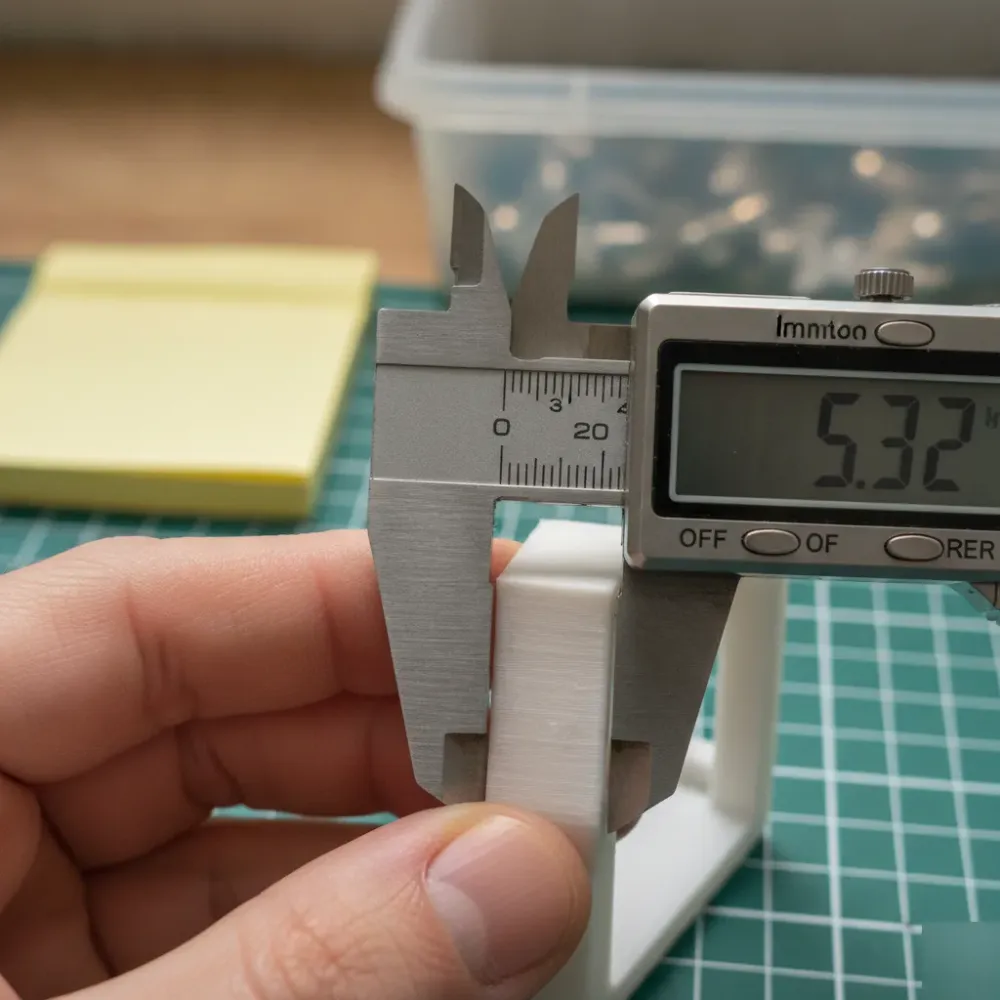
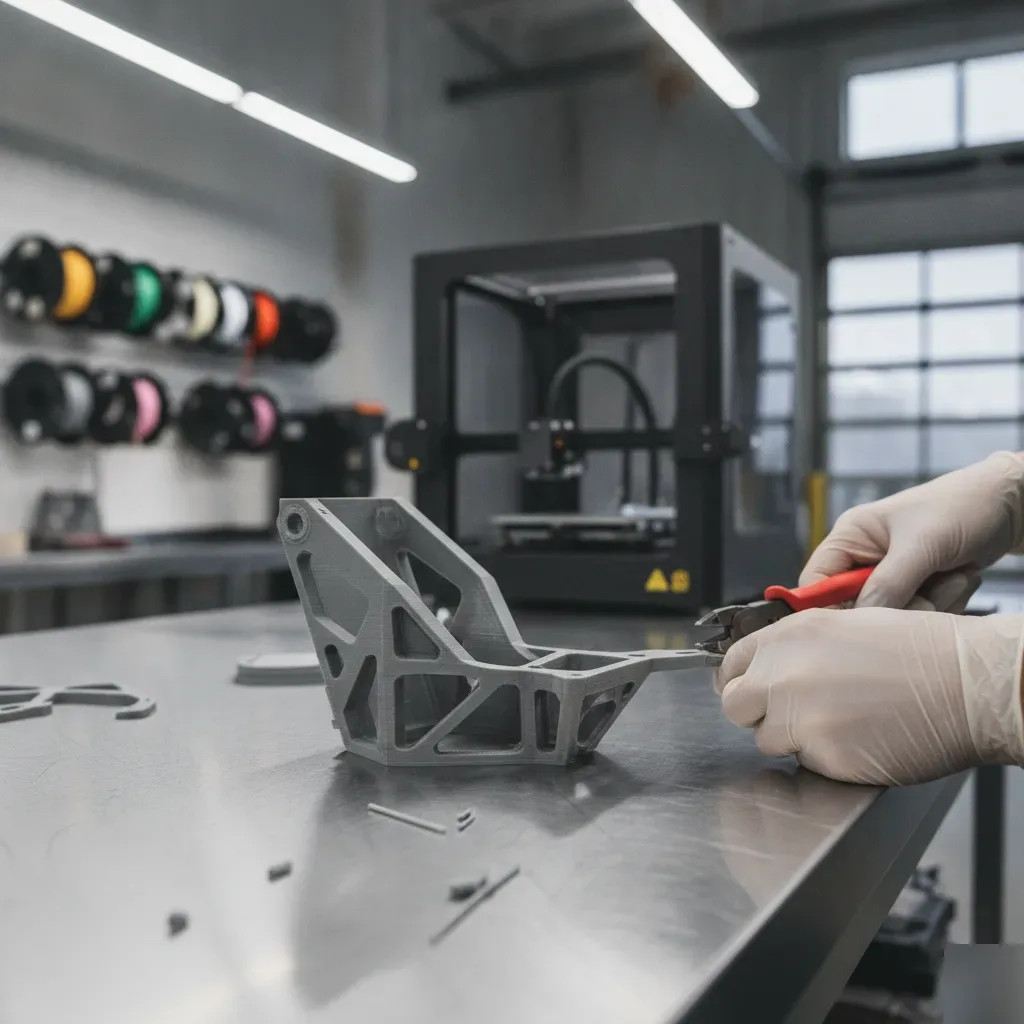
- The part has complex geometry that is hard to verify from a screen, such as internal channels on a pump skid component or a nested bracket assembly
- Tolerances are tight enough that a small deviation, often under 0.5 mm, would throw off fit against existing equipment
- Multiple stakeholders, such as an operations team and a procurement lead, need to physically handle the part before approving production
- The design feeds into a fabrication run for oil battery components or aggregate handling trailer hardware, where rework after fabrication gets expensive fast
- The CAD file was built from a point cloud or reverse-engineered scan and needs a physical check against the original as-built dimensions
We see this most often on pump skid and oil battery design work, where a single missed clearance on a P&ID-derived model can stall an install crew on site. Our licensed engineers review the STEP or STL file before printing, checking wall thickness and tolerance stack-up against the stamped drawing set. That review catches geometry problems while they’re still cheap to fix.
If your design has already been through a full engineering review with no unresolved clearance or fit questions, you may not need a physical prototype at all. That’s a legitimate outcome, and we’ll tell you plainly if that’s where your project stands.
Rapid Prototyping in Calgary: From Concept to Physical Part
Rapid Prototyping in Calgary means one thing to us: turning a CAD concept into a physical part you can hold, test, and measure before a single dollar goes into fabrication. Our team builds these prototypes for Calgary’s oil and gas, energy, and industrial clients, where a design flaw caught on a bench model is cheap to fix. Caught after fabrication starts, it isn’t.
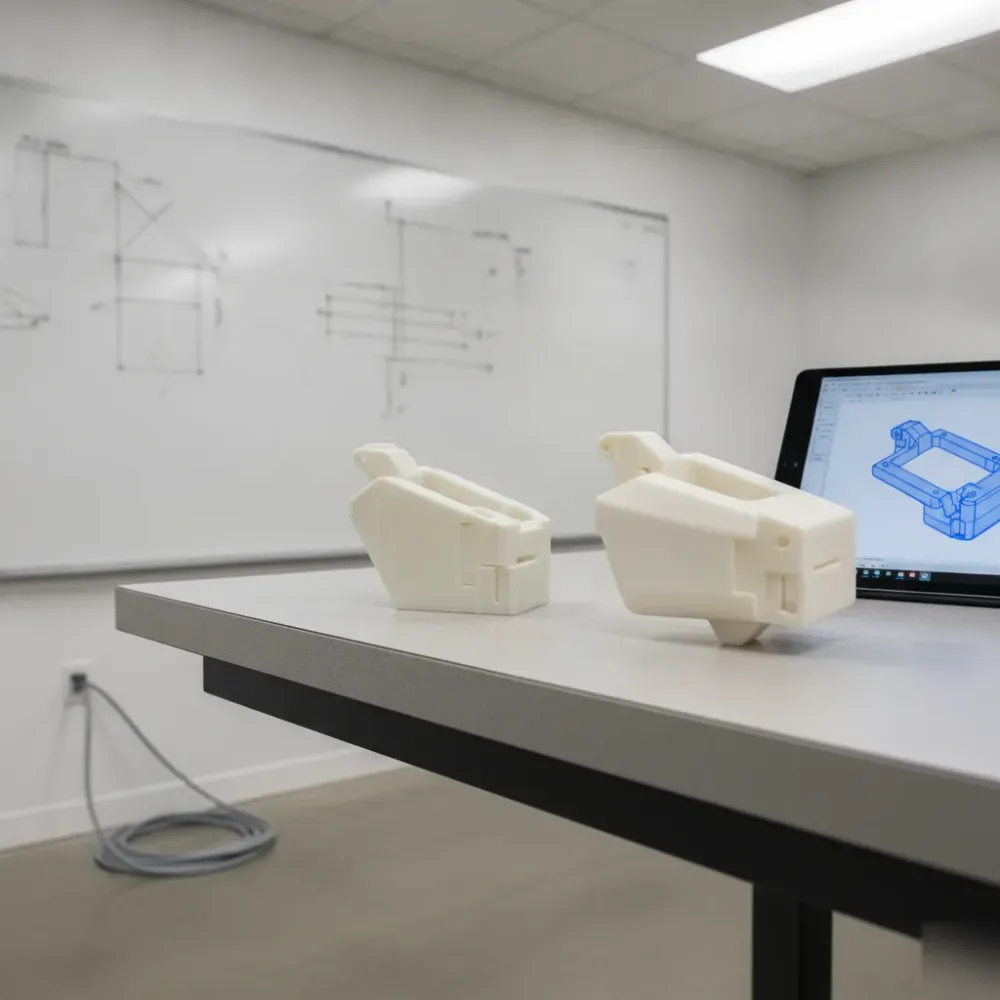
A pump skid bracket or a compressor mounting plate can look perfectly fine on screen. Print it, though, and you’ll spot the clearance issue in about ten seconds. That’s the whole point of the process: catch it early, fix the model, print again.
Our licensed engineers review every prototype design before it goes to print, so the part you’re holding on the bench actually matches the file that eventually gets stamped for construction. We work from STL, STEP, and IGES files depending on where the design started, and we move between formats as the part evolves through revisions.
- Print-ready STL or 3MF files for the prototype run
- Native STEP or IGES files for design revisions
- Dimensional check against the original CAD model
- Engineer-reviewed design file once the prototype is validated
- Functional prototype for fit and assembly testing
Most jobs land on our desk mid-project. A design optimization pass turned up an interference, or a client needs Design Validation and Engineering Stamping before a fabrication shop will touch the drawing. We slot the prototype step in right there, adjust the geometry, and hand back a file that’s ready for the next stage.
Reverse Engineering Parts With No Original Drawings
A lot of the equipment we scan across Calgary and southern Alberta was installed decades before anyone kept a digital file on it. No OEM drawing, no CAD model, sometimes not even a legible nameplate. That’s exactly where reverse engineering earns its keep.

Our process starts with 3D laser scanning the physical part or assembly, capturing geometry as a dense point cloud. From there, our licensed engineers convert that raw scan data into a clean, usable CAD model, checking every critical dimension against the original part rather than guessing from a photo or a tape measure.
- Point cloud capture (E57 format) of the existing part or assembly
- Converted, editable CAD models in STEP or IGES for design work
- STL files ready for rapid prototyping or fit-check printing
- DWG output when the deliverable feeds into drafting or as-built packages
- Engineering review of tolerances against the physical original before sign-off
We see this constantly in the Foothills Industrial area, where pump skids and gen-set packages installed during earlier boom periods were never fully documented in digital form. When a bracket cracks or a fitting needs replacing on equipment like that, reverse engineering is often the only path to an accurate part.
The value isn’t just the model, it’s the stamped, validated drawing behind it. Because our team includes licensed engineers, the reverse-engineered geometry gets checked, not just traced. That validation step is what lets a fabricator cut metal or a prototyping run proceed with confidence, instead of discovering a tolerance problem after the part’s already been built.
Engineering Validation and Stamping for Facility-Ready Parts
A prototype is only useful if it holds up under engineering review. Once a printed part passes fit and function checks, our licensed engineers assess dimensional accuracy against the original CAD model, tolerances, and the load or clearance requirements for its intended application.
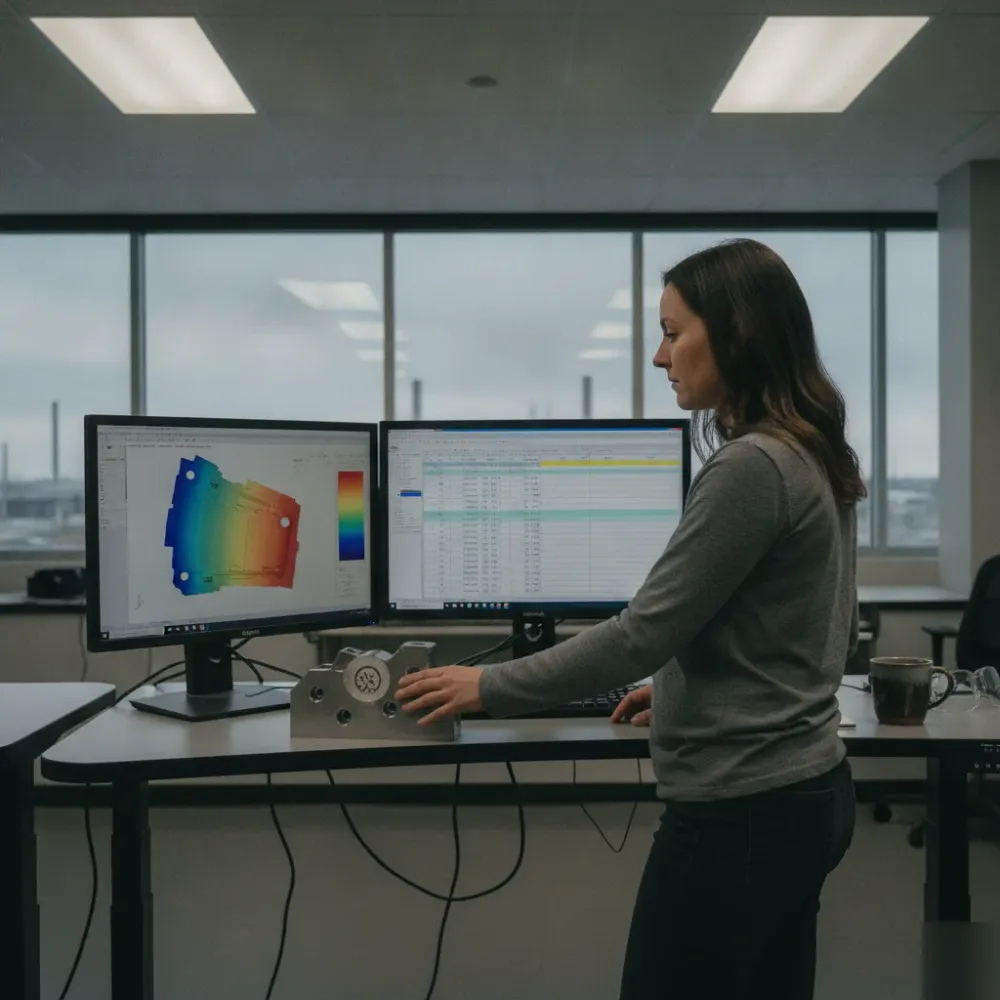
Many Alberta facility projects, particularly in oil and gas and industrial infrastructure, require a professional engineer’s stamp before a part or assembly moves to fabrication. We build that step into the rapid prototyping workflow instead of treating it as an afterthought.
Validation output typically includes engineering-reviewed drawings and models delivered in formats teams already use downstream.
- Stamped drawings referencing STEP or IGES source geometry
- STL files for print-verified prototype geometry
- DWG deliverables for structural or mechanical drafting handoff
- Revision notes documenting design changes from print to sign-off
- QA checkpoints confirming print tolerance against the design intent
For pump skid design, oil battery design, and tank or vessel modeling projects, this validation stage catches interference issues before steel gets cut. That cuts down on rework at fabrication and sharpens the accuracy of downstream cost estimates. A stamped set of drawings gives procurement teams a defensible basis for bidding on fabrication work, not just a concept sketch.
What to Ask Before You Book Rapid Prototyping
Before you commit a project budget to rapid prototyping, ask the provider how the part moves from digital file to physical build. A shop that only takes STL files and prints them without review isn’t the same as a team that checks tolerances against the original STEP or IGES model first.
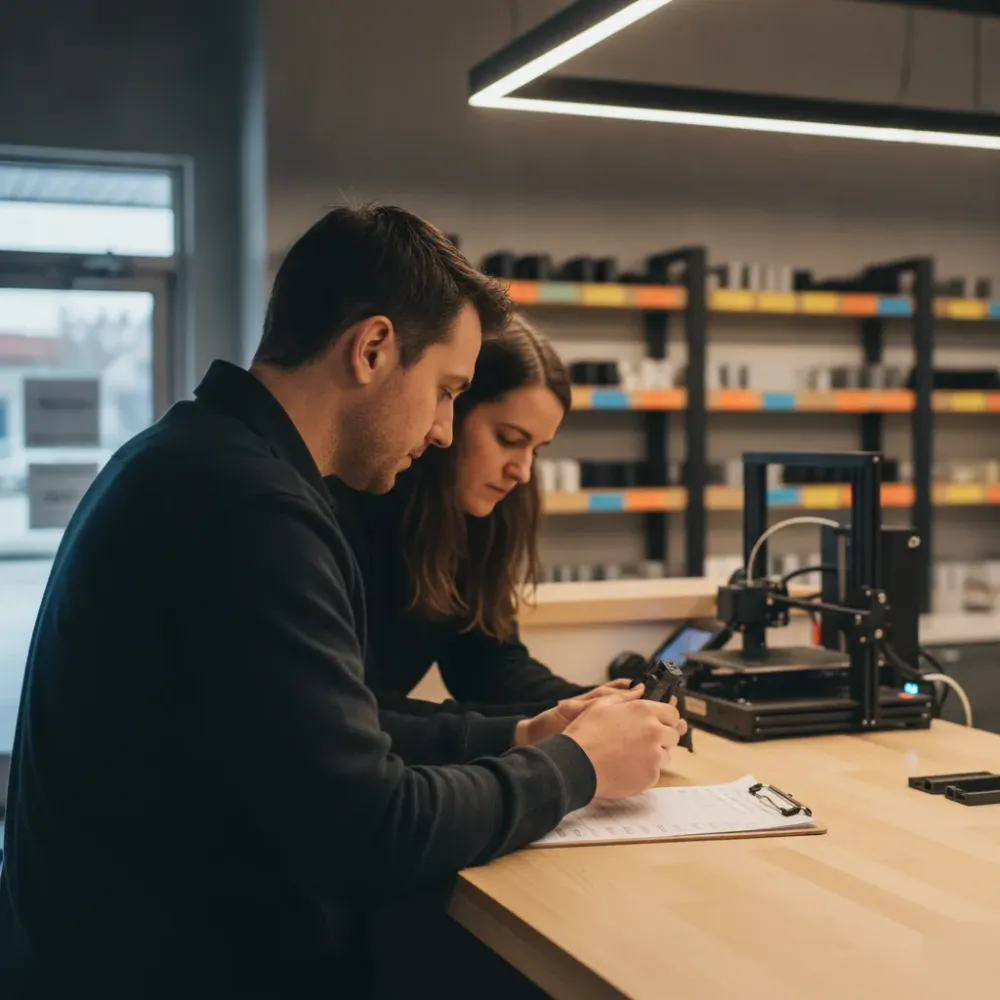
- Which file formats do you accept and return: STEP, IGES, STL, or point cloud data from a scan?
- Does a licensed engineer review the geometry before the first print, or does the file go straight to the printer?
- What is your process for checking wall thickness and tolerance on load-bearing or pressure-rated components?
- Can you validate a prototype against an existing skid, pump package, or vessel using 3D scan data?
- Will I receive a stamped drawing package alongside the physical prototype, or just the part?
That last question matters most for oil and gas and industrial clients. A physical prototype tells you if a part fits. A stamped, validated drawing tells you if it will perform under load, pressure, or thermal cycling once it moves to production.
We build our rapid prototyping workflow around in-house licensed engineers, so design optimization and engineering stamping happen inside the same process, not as a separate step you have to chase down later.
Frequently Asked Questions
Common questions about Rapid Prototyping
What do I need to send you to start a rapid prototype?
You just need your CAD file, usually a STEP, STL, or IGES format, along with the stamped drawing set if one exists. Our engineers review wall thickness and tolerance stack-up against that drawing before anything gets printed. If your part started as a laser scan or point cloud instead of a CAD file, that’s fine too. We can work from either starting point and build the prototype from there.
What happens after my prototype passes fit and function testing?
Once your prototype checks out, our licensed engineers review it against the original CAD model, tolerances, and load or clearance requirements for the job. Many Alberta facility projects need a professional engineer’s stamp before a part moves to fabrication, so we build that review into the process instead of leaving it for later. You’ll walk away with stamped drawings and models in the file formats your fabrication shop already uses.
Do I need a physical prototype if my design already passed engineering review?
Not always. If your design has already been through a full engineering review with no open clearance or fit questions, a physical prototype may not add much. We’ll tell you plainly if that’s where your project stands. But if you’ve got complex geometry, tight tolerances under half a millimeter, or several people who need to handle the part before signing off, printing one first almost always saves money down the line.
Why do some older pump skids in Calgary need reverse engineering instead of a straight prototype?
Because a lot of equipment installed across Calgary and southern Alberta decades ago has no digital file behind it at all. In the Foothills Industrial area especially, pump skids and gen-set packages from earlier boom periods were often never fully documented. When a bracket cracks on gear like that, we scan the physical part, build a clean CAD model from the point cloud, and check it against the original before any prototype gets printed.
Does my part need an engineer’s stamp before it goes to fabrication?
It depends on the project, but many oil and gas and industrial facility jobs in Alberta do require a professional engineer’s stamp before fabrication starts. We check dimensional accuracy, tolerances, and clearance requirements as part of the prototyping workflow, so that step isn’t a scramble at the end. If your fabrication shop is asking for stamped drawings before they’ll touch the job, that’s usually your sign you need this step.
Recent Comments